

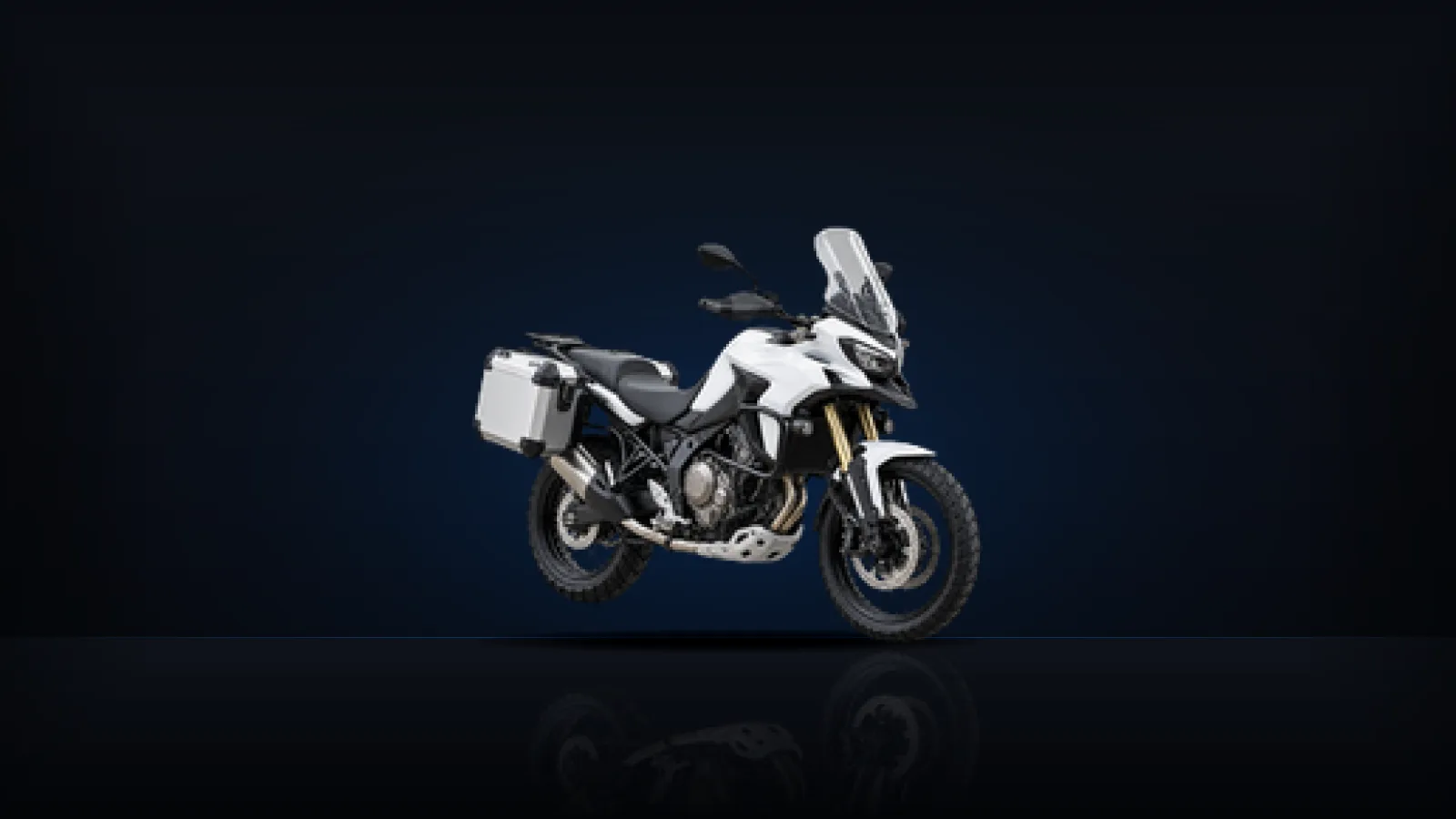
Motorcycle Safety Guide: Helmets, Riding Gear and Tips for Bangladesh Roads
Motorcyclists have no crumple zone, no airbag and no seatbelt. Your protection comes from the gear you wear and the way you ride. This guide covers both, with Bangladesh's traffic, climate and roads in mind.
The helmet: your most important purchase
Bangladesh's road transport law requires both the rider and the passenger to wear a helmet — but meeting the law and being protected are not the same thing. A thin "cap" helmet may avoid a fine and do almost nothing in a crash.
What to look for
- A recognised safety certification, such as ECE 22.06, DOT (FMVSS 218) or ISI (IS 4151). Check for the certification label inside the helmet, not just a sticker on the shell — fake stickers are common.
- Full-face design if you can. A large share of impacts in motorcycle crashes hit the chin area, which open-face and half helmets don't protect.
- Correct fit. It should feel snug all round, with no pressure points. With the strap fastened, you should not be able to roll it off forwards or backwards.
- A proper chin strap — double-D ring or a quality quick-release buckle — always fastened.
- A clear visor for night riding. Dark visors are for daytime only.
When to replace it
- After any significant impact, even if it looks undamaged — the protective foam liner compresses and does not recover.
- When the liner is loose, the fit has become sloppy, or the shell is cracked.
- After the manufacturer's recommended lifespan, typically around five years.
Buy your pillion a proper helmet too. Borrowed, ill-fitting helmets are one of the most common gaps in family riding.
Riding gear that works in the heat
Heat is the usual excuse for skipping gear. Modern mesh gear makes that excuse much weaker.
- Gloves — in a fall, your hands hit the ground first. Ventilated gloves with palm sliders and knuckle protection are inexpensive and comfortable.
- Jacket — a mesh riding jacket with CE-rated armour at the shoulders and elbows, ideally with a back protector, flows air while riding.
- Footwear — boots or sturdy shoes that cover the ankle. Sandals and slippers offer no protection and can slip off the pegs.
- Trousers — riding trousers or at least thick denim; knee protection helps.
- High-visibility — a reflective vest or reflective panels make you much easier to see at dusk and at night.
Defensive riding in traffic
- Assume you have not been seen. Watch drivers' wheels and heads, not just their indicators.
- Keep out of blind spots, especially those of buses and trucks. If you can't see the driver's face in their mirror, they can't see you.
- Leave space. Keep a gap ahead that gives you time to stop, and more on wet roads.
- Be careful when filtering. Slow down; watch for doors opening, pedestrians stepping out, and vehicles changing lanes suddenly.
- Cover your brakes near junctions, bus stops and markets, where anything can happen.
- Don't ride on footpaths or against traffic. Wrong-way riding is a major cause of collisions.
- Put the phone away. If you need navigation, mount the phone and set it before you ride.
Carrying a passenger
- Carry only one pillion, with a proper helmet. It is the law, and extra passengers make a bike unstable and much harder to stop.
- Brief new passengers: hold the rider's waist or the grab rail, keep feet on the pegs at all times, lean with the bike, and don't make sudden movements.
- Passengers riding side-saddle should hold on firmly and keep loose clothing — especially a saree's end or a long scarf — well away from the rear wheel and chain. Many bikes have a saree guard; check that yours is fitted.
- Never carry a child in front of the rider or without a helmet that fits them.
- Braking distances increase with a passenger — leave more room.
Riding in the monsoon
- The first rain is the most slippery. Oil and dust on the road surface float up and make it greasy until they wash away.
- Brake earlier and more gently, use both brakes, and avoid sharp lean angles.
- Avoid road markings, manhole covers and metal plates — they are extremely slippery when wet.
- Treat standing water as unknown depth. It can hide open drains and deep potholes. If you don't know the road, find another route.
- Use a proper rain suit rather than an umbrella or a loose plastic sheet, which can catch the wind or the wheel.
- Keep your visor clear with an anti-fog insert or treatment, and turn your headlight on.
Riding at night
- Make sure your headlamp is correctly aimed and bright enough, and that your tail light and brake light work.
- Use a clear visor, and keep it clean — scratches create glare from oncoming lights.
- Watch for unlit vehicles, rickshaws and pedestrians, especially on highways and at the edges of towns.
- Reduce speed; your headlight shows you less of the road than you think.
Your bike is part of your safety
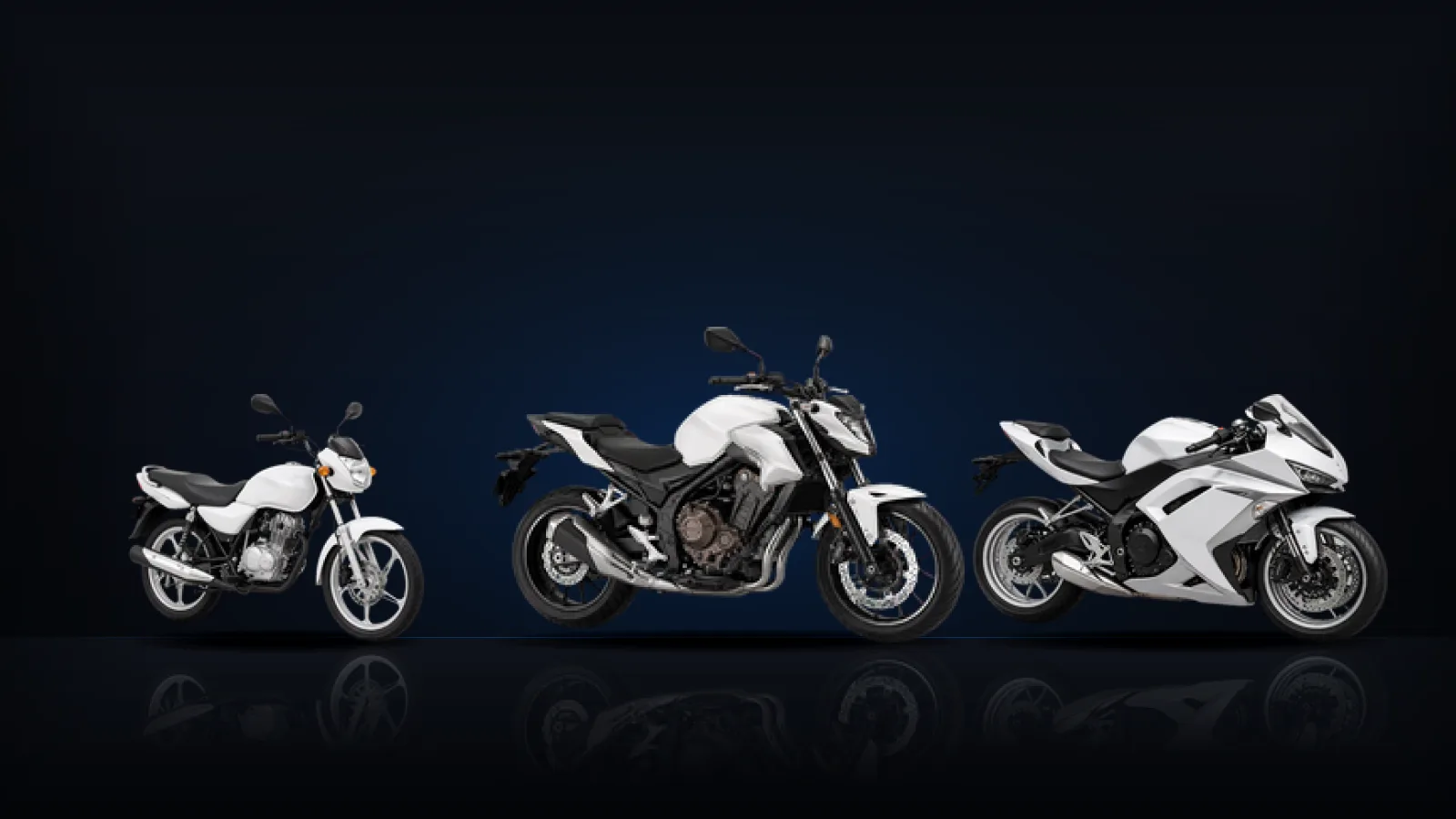
Worn tyres, weak brakes and a slack chain turn a manageable situation into a crash. Keep your bike properly maintained — our motorcycle maintenance guide covers the weekly checks that matter most. And if you're choosing a new bike, ABS and disc brakes are worth prioritising; see our motorcycle buying guide.
If there is an accident
- Move to safety if you can, and switch on hazard lights if your bike has them.
- Call the national emergency number, 999, for police, fire service or ambulance.
- Don't remove an injured rider's helmet unless they have trouble breathing — you may worsen a neck injury.
- Photograph the scene, the vehicles and their number plates, and note witnesses' contact details.
- Inform your insurer as soon as possible.
Ride safe, and ride to come home.


Comments
Leave a comment