

Scooter vs Commuter Motorcycle: Which Is Better for Dhaka?
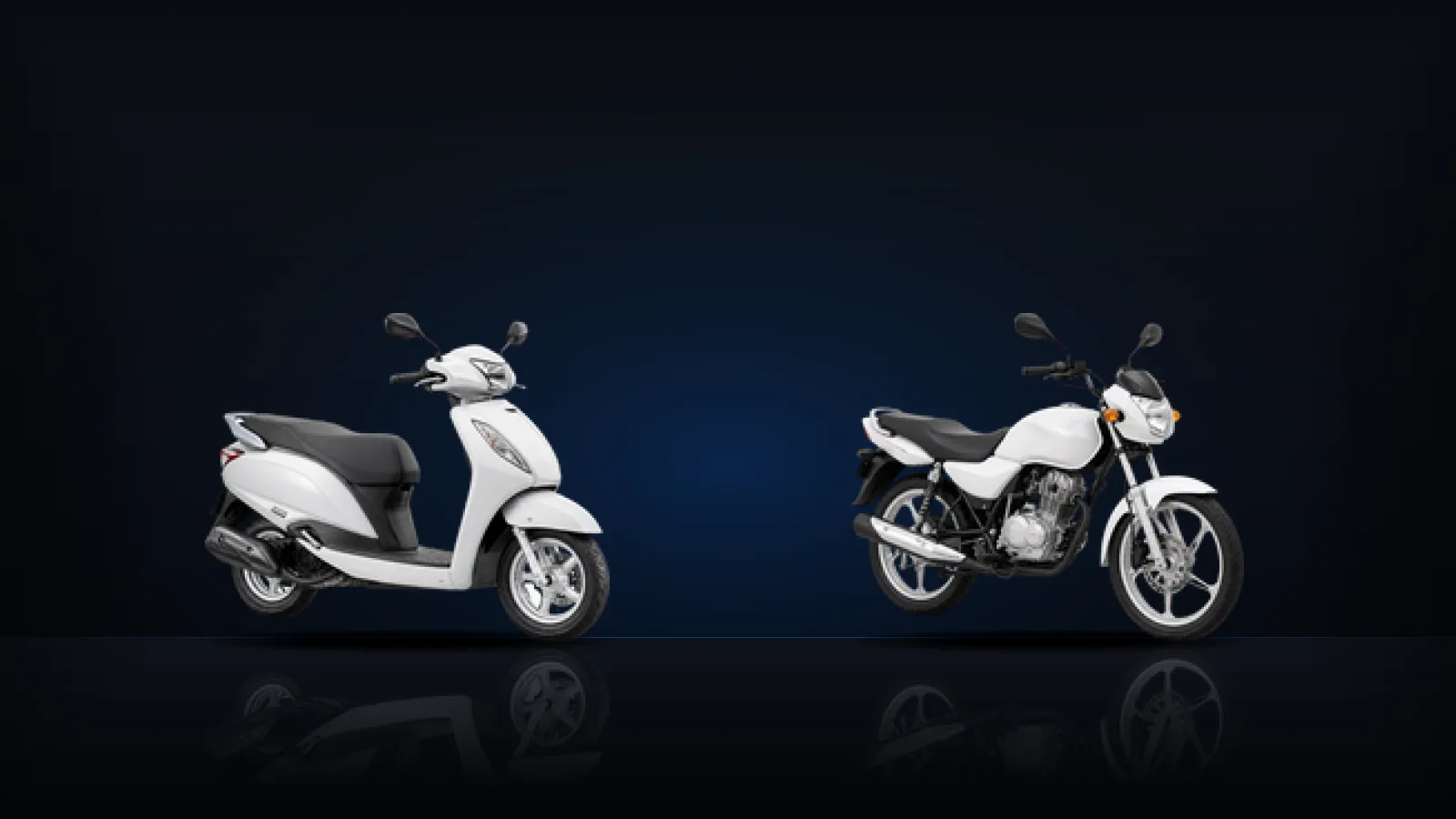
For most city riders the real choice is between an automatic scooter and a 100–150cc commuter motorcycle. Both are affordable and economical, and both handle Dhaka traffic better than any car. They suit different riders, though. Here is an honest side-by-side comparison.
The key differences at a glance
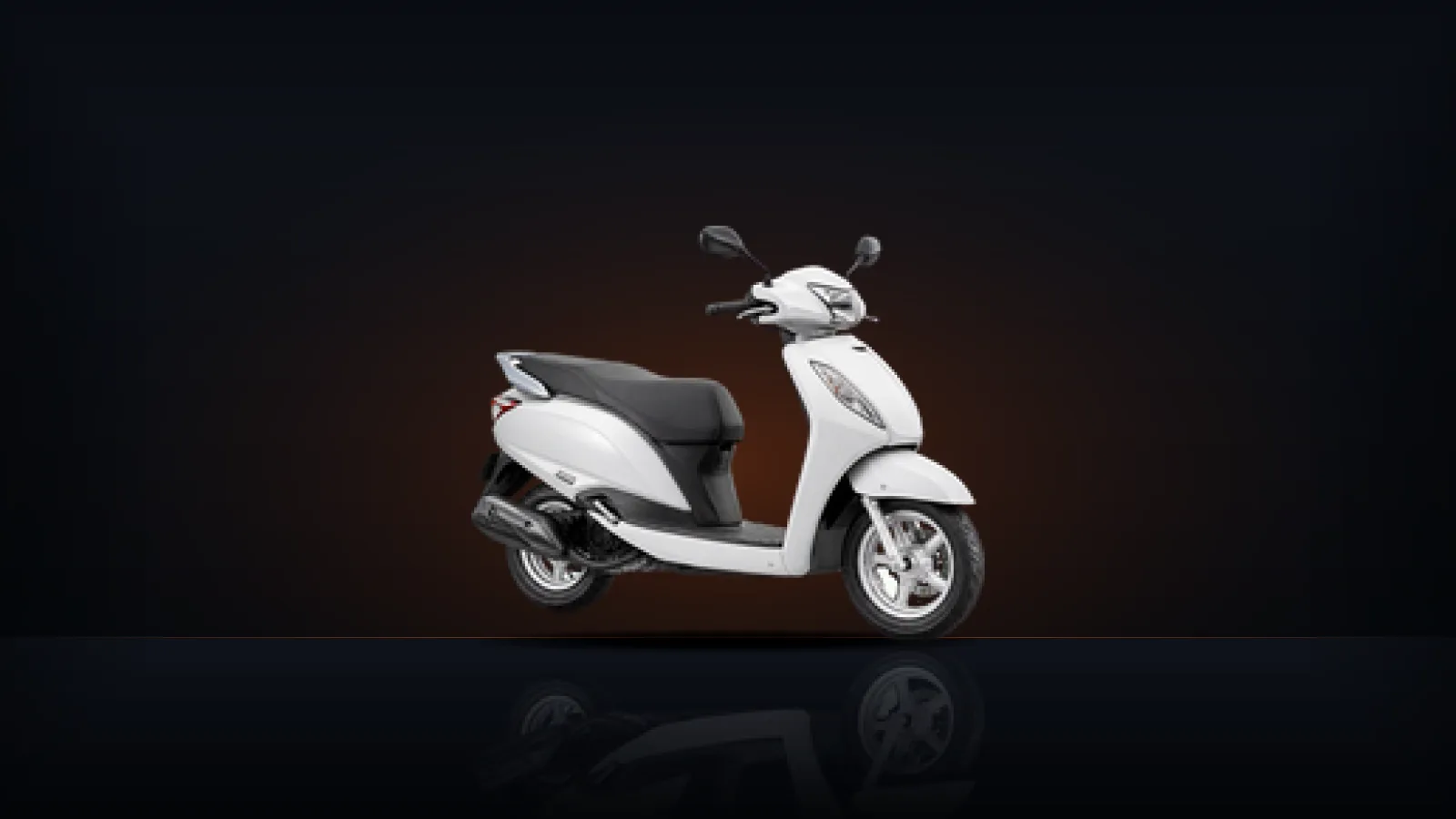
- Transmission: scooters use an automatic CVT — twist and go. Commuters have a manual gearbox with a clutch lever.
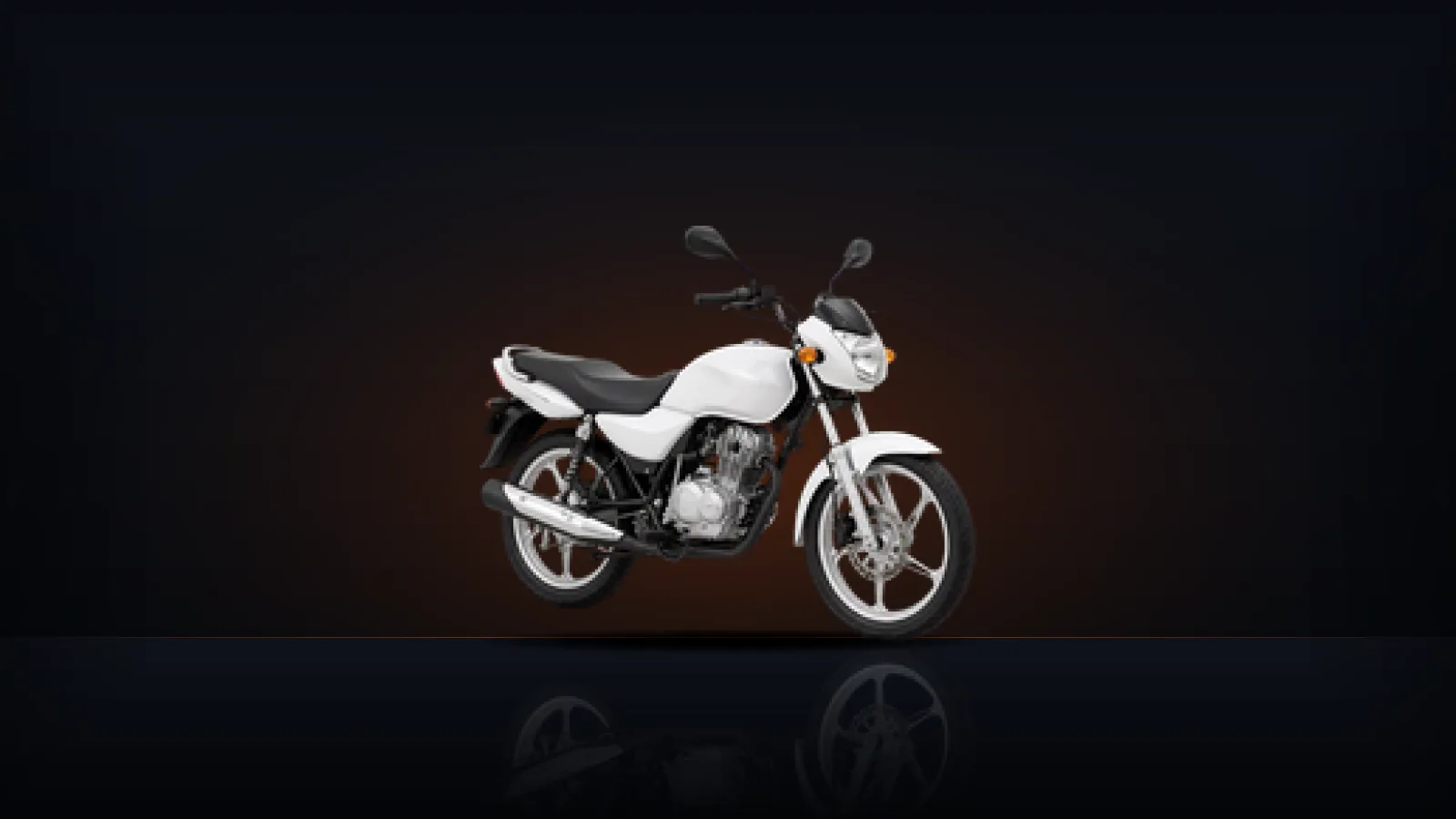
- Frame: a scooter has a step-through frame and flat floorboard. A motorcycle has a fuel tank between your knees and footpegs.
- Wheels: scooters typically use smaller wheels (10 to 12 inches). Commuters usually run 17 or 18-inch wheels.
- Storage: scooters have space under the seat and often a front hook or pocket. Motorcycles have almost none without adding a box.
- Engine position: a scooter's engine is part of the rear swingarm; a motorcycle's sits in the frame.
In heavy traffic: scooter wins
In bumper-to-bumper traffic, the constant clutch work on a manual bike is tiring. A scooter needs only throttle and brakes, so it is less demanding over a long jam. Its low weight and the absence of a tank also make it easy to walk in a crowded car park and to balance at walking pace.
On broken roads and in the monsoon: commuter wins
Larger wheels roll over potholes and broken edges far more calmly. Commuters also usually have more ground clearance and a higher air intake, which matters on waterlogged streets. A scooter's small wheels and low-mounted engine make deep puddles and rough surfaces more uncomfortable, and potentially more damaging to the engine.
On the highway: commuter wins
A 125–150cc commuter is more stable at speed, thanks to its larger wheels and longer wheelbase, and a manual gearbox lets you choose the right gear for overtaking. Scooters can reach highway speeds, but most feel less settled there, especially in crosswinds behind trucks and buses.
Fuel economy: usually a commuter advantage
A CVT is convenient but loses some efficiency compared with a manual gearbox. Engine for engine, a commuter motorcycle is generally more economical than a scooter of similar size, though modern fuel-injected scooters have narrowed the gap. Compare the manufacturer's figures for the specific models you are considering — on CarzLync the factory figure appears in each bike's specification sheet where the manufacturer publishes one — and remember that real-world economy depends heavily on traffic and riding style.
Comfort and practicality: depends on the rider
- Scooter strengths: no clutch, weather protection for your legs from the front apron, room for a bag on the floorboard, under-seat storage for a helmet or shopping, and easy mounting for riders wearing a saree, salwar kameez or formal clothes.
- Commuter strengths: a more natural seating position for tall riders, better stability with a pillion, and a more comfortable long ride.
Maintenance and running costs
Commuter motorcycles are among the simplest vehicles on the road. Almost every mechanic can service one, parts are plentiful and cheap, and a chain drive is easy to adjust. Scooters need CVT belt and roller replacement at intervals, and some jobs take more labour because body panels must come off. In practice, both are inexpensive to run; the commuter usually has the edge on parts cost and availability, especially outside major cities.
Resale value
Popular commuter models from established brands tend to hold their value well because demand is steady — they are workhorses for delivery riders and daily commuters. Scooter resale is healthy in large cities and softer in smaller towns. Look at comparable listings on CarzLync for models a few years old to see how each holds up in your area.
Which should you buy?
Choose a scooter if you…
- Ride mostly short distances within the city.
- Are a new rider, or don't want to use a clutch.
- Need to carry a bag, groceries or a helmet regularly.
- Want easy mounting and leg protection.
Choose a commuter motorcycle if you…
- Ride on broken roads, travel between districts or cross waterlogged streets.
- Carry a pillion often.
- Want the lowest running cost and the widest service support.
- Plan to use the bike for delivery or ride-sharing work.
Try both before deciding
The best way to decide is a back-to-back test ride. Try each for twenty minutes on roads you use daily, with a pillion if you'll carry one. Then shortlist a couple of each on CarzLync and compare them side by side using the compare tool.


Comments
Leave a comment