

Electric Motorcycles and Scooters in Bangladesh: What to Know Before You Buy
Electric two-wheelers are increasingly common on Bangladeshi roads. They are quiet, simple to ride and very cheap per kilometre. Buying one well, though, requires a different checklist from a petrol bike. The battery is the heart of the vehicle — and its most expensive part.
Electric bike, scooter or motorcycle?
- Electric scooters — step-through frames, automatic operation, usually aimed at short urban trips.
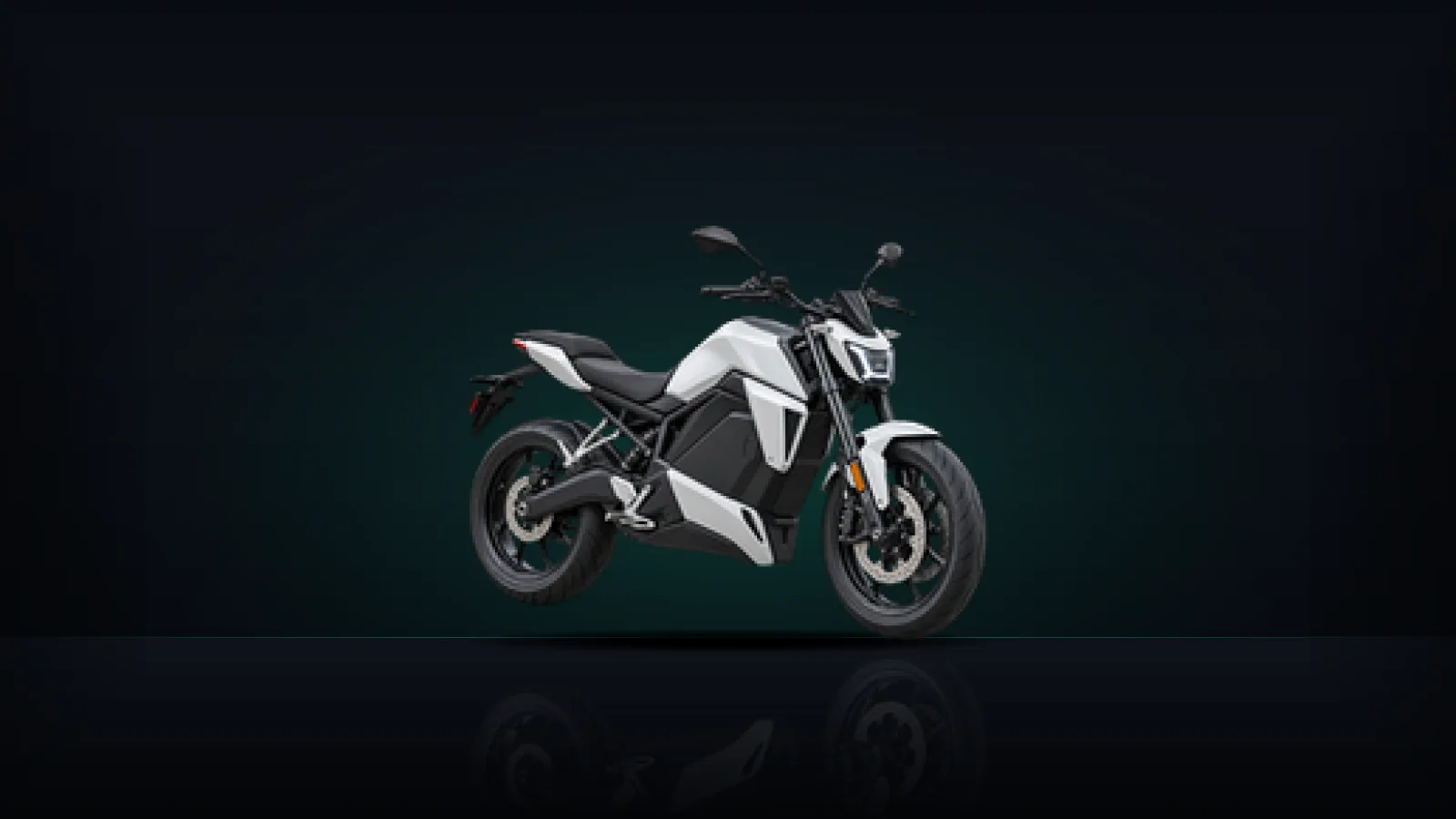
- Electric motorcycles — motorcycle-style frames and larger wheels, generally with more powerful motors, higher top speeds and larger batteries.
- Low-speed models — lightweight machines with small motors and modest top speeds, sometimes sold as not needing registration or a licence.
Registration and licensing rules for electric two-wheelers in Bangladesh have been evolving. Don't rely on a seller's claim that a model "doesn't need papers". Before you buy, confirm with BRTA whether the specific model must be registered, what licence you need to ride it, and whether it can legally be used on the roads you plan to ride.
Batteries: the most important decision
Lead-acid
Cheaper to buy, heavy, and with a shorter service life. Range drops noticeably as they age, and they don't tolerate being left discharged. Common on budget models.
Lithium-ion (including LFP)
Lighter, longer-lasting and with more usable capacity, but more expensive. Lithium iron phosphate (LFP) chemistry is known for its long cycle life and good thermal stability. Any lithium pack should have a proper battery management system (BMS) that protects it from over-charging, over-discharging and overheating.
Ask the seller for the battery's voltage and capacity (for example, in volts and amp-hours, or in kWh), the chemistry, the warranty terms and the cost of a replacement pack. That last number often decides whether a cheap electric bike is really cheap.
Range: expect less than the brochure
Claimed range is measured in ideal conditions. Real range falls with:
- A pillion or heavy load.
- Stop-and-go traffic and hard acceleration.
- High speeds and headwinds.
- Low tyre pressure.
- Battery age and high temperatures.
A sensible rule: your normal daily distance should fit comfortably inside roughly two-thirds of the claimed range, leaving a margin for detours and battery ageing.
Charging at home
- Know where you'll charge. If you live in an apartment, check that you can safely bring the battery (if removable) or the bike to a socket. Removable batteries are a big advantage in flats.
- Use the manufacturer's charger only. Cheap replacement chargers are a common cause of battery damage and fires.
- Use sound wiring and a properly earthed socket. Avoid long, thin extension leads and multi-plugs.
- Charge in a ventilated space, away from exits, and don't charge overnight unattended in a place where a fire would block your way out.
- Plan for load-shedding. Power cuts can disrupt a charging routine; allow extra time.
Running costs
Energy cost per kilometre is typically a fraction of petrol. Maintenance is lower too: no engine oil, spark plugs, air filters or clutch. You still need tyres, brake pads, suspension checks and — on chain-driven models — chain care. The large future cost is the battery, so divide its replacement price by its expected life in kilometres to get an honest cost-per-kilometre comparison with a petrol bike.
Monsoon and water
Most modern electric two-wheelers are designed to handle rain, but not submersion. Check the motor and battery's water-resistance rating (IP rating), avoid riding through deep water, and don't charge a bike that has been soaked until it has dried and been checked.
Service and parts
An electric bike needs an electrical technician, not just a mechanic. Before buying, find out:
- Is there an authorised service centre near you?
- Are controllers, chargers and battery packs available locally, and how quickly?
- Does the warranty cover the battery and motor separately, and for how long?
Buying a used electric two-wheeler
- Ask how old the battery is and whether it has been replaced. Ask for the invoice.
- Charge it fully and take a long test ride, watching how quickly the charge indicator drops.
- Look for swelling, cracks or corrosion on the battery casing and connectors.
- Check the charger's condition and that it's the original.
- Confirm the paperwork and registration status as for any other bike — see our used bike inspection checklist.
Is electric right for you?
An electric two-wheeler is a strong choice if your daily riding is predictable and within range, you have safe charging at home or work, and there is service support nearby. If you ride long distances between districts or can't charge safely where you live, a fuel-efficient petrol commuter is still the more practical option.
Browse electric bikes and scooters on CarzLync and use the fuel-type filter to see only electric models.


Comments
Leave a comment