

Sportbike vs Naked Bike: Which Should You Buy?
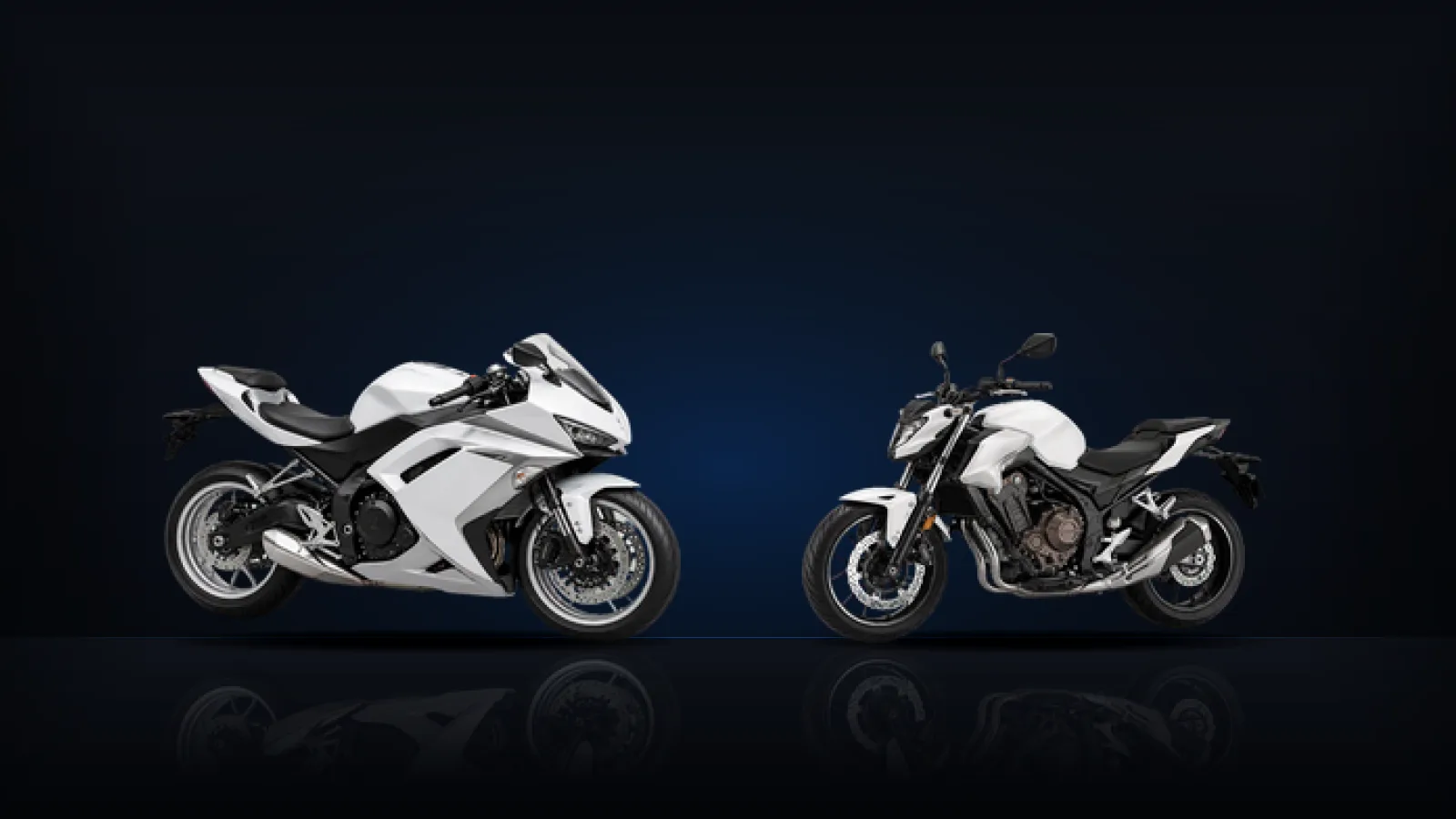
Faired sportbikes and naked bikes often share the same engine and chassis. The main differences are the bodywork and the riding position — but those two things change how the bike feels every day. Here's how to decide which suits you.
What's the difference?
- Sportbike (faired): full bodywork that wraps the engine and front, a windscreen, and low clip-on or clip-style handlebars that tilt you forward. Designed for aerodynamics and aggressive handling.
- Naked (streetfighter / standard): little or no fairing, an exposed engine, and a wide, higher handlebar that lets you sit more upright. Designed for street riding and everyday versatility.
Riding position and comfort
This is the biggest practical difference. A sportbike puts weight on your wrists and requires you to lift your head to see ahead. That's comfortable at speed — the wind supports your chest — but tiring in slow traffic. A naked bike's upright position is easier on your back, wrists and neck in the city and more forgiving on long, slow commutes.
Advantage: naked for daily comfort.
City traffic
A naked bike's wide handlebar gives more leverage for slow-speed manoeuvring and a better view over cars. Sportbikes often have a smaller steering lock, which makes U-turns and tight car parks harder, and the fairing is vulnerable to knocks in dense traffic.
Advantage: naked.
Highway and wind
At higher speeds, a sportbike's fairing and screen deflect wind from your chest, reducing fatigue and making the bike feel stable. On a naked bike, you feel the full wind blast, which becomes tiring over long highway stretches.
Advantage: sportbike for sustained highway speed.
Heat
In Bangladesh's heat, the fairing can trap engine heat around your legs in slow traffic. A naked bike lets air flow freely around the engine and rider.
Advantage: naked.
Repair costs after a fall
A low-speed tip-over on a sportbike can crack fairing panels, break a mirror mounted on the fairing and damage the screen — all expensive parts. The same fall on a naked bike might only scratch a lever and a bar end. Crash protectors (frame sliders) help on both.
Advantage: naked.
Maintenance access
Routine jobs such as changing a bulb, checking coolant or accessing the air filter often require removing fairing panels on a sportbike. On a naked bike, most components are easier to reach, reducing labour time.
Advantage: naked.
Looks and feel
This is personal. Many riders love the race-inspired design of a faired bike, and the tucked-in riding position gives a strong sense of connection at speed. Others prefer the muscular, exposed-engine look of a naked. Buy the bike that makes you want to ride — you'll ride it more and care for it better.
Resale value
Both hold value well when they're popular models in good condition. A sportbike with cracked or mismatched fairing panels loses more value than a naked bike with equivalent use, because buyers read panel damage as crash history. Compare current listings on CarzLync for the models you're considering.
Which one should you choose?
Choose a sportbike if…
- You ride often on highways and open roads.
- You enjoy the tucked-in, focused riding position.
- Styling is a priority and you accept higher repair costs.
Choose a naked bike if…
- Most of your riding is in the city.
- Comfort over long daily commutes matters.
- You want lower running and repair costs.
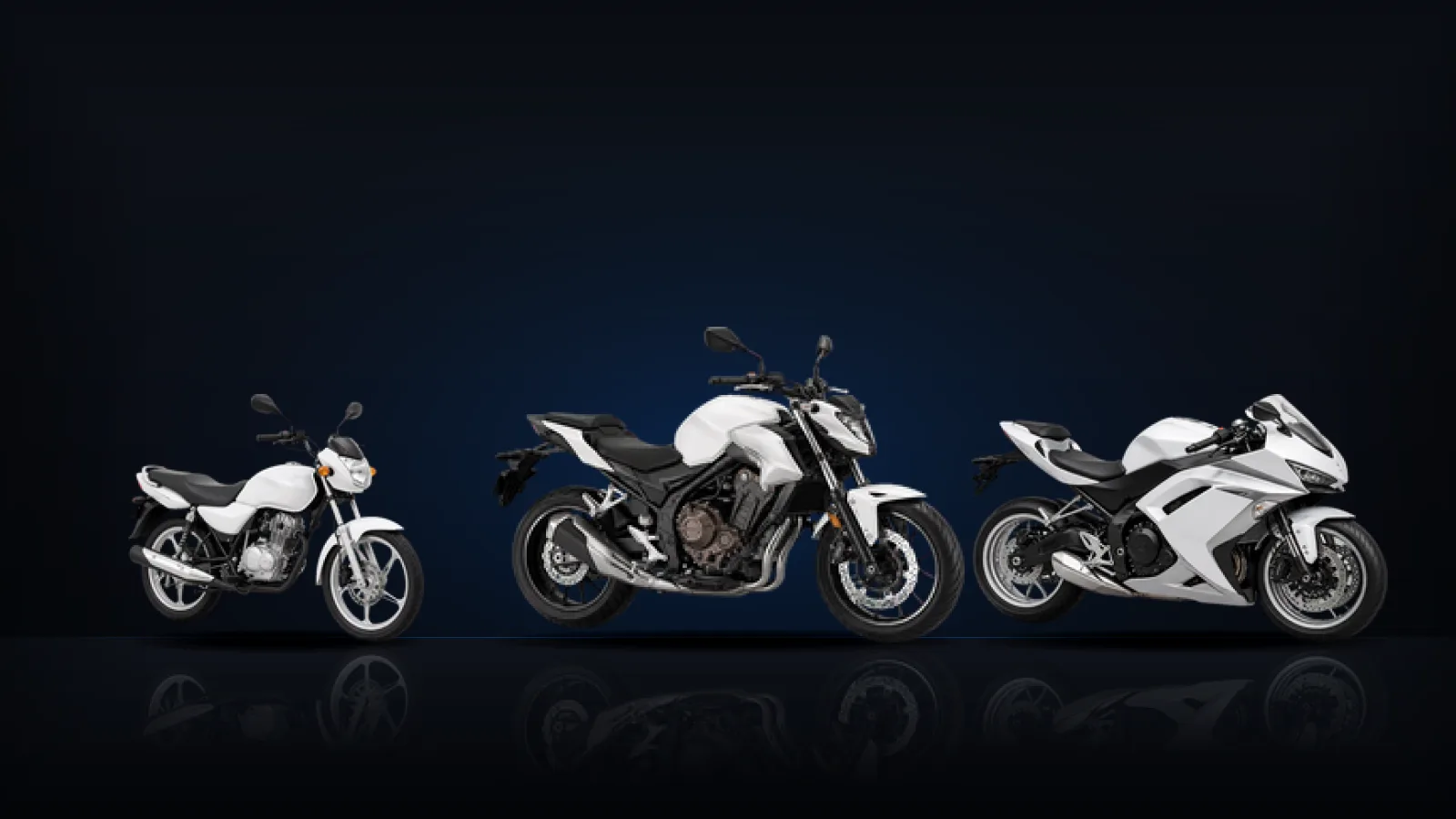
- You're a newer rider moving up from a commuter.
Test ride both
Spend at least twenty minutes on each, including some slow traffic, before deciding. Then put your shortlist side by side with the CarzLync compare tool.


Comments
Leave a comment