

Avoid Back Pain on a Motorcycle: Posture, Setup and Mirror Position
Back, neck and wrist pain are common complaints among riders in Bangladesh, where long commutes, broken roads and stop-and-go traffic combine. Most of it is avoidable with better posture, a properly adjusted bike and a few habits.
This article is general guidance. If you have persistent or severe pain, numbness or a previous injury, see a doctor or physiotherapist.
Why riding hurts
- Poor posture — slumping with a rounded lower back puts load on the spine.
- Tension — gripping the bars tightly and holding your shoulders up tires the neck and upper back.
- Vibration and impacts — potholes and speed breakers send shocks through the seat into your spine.
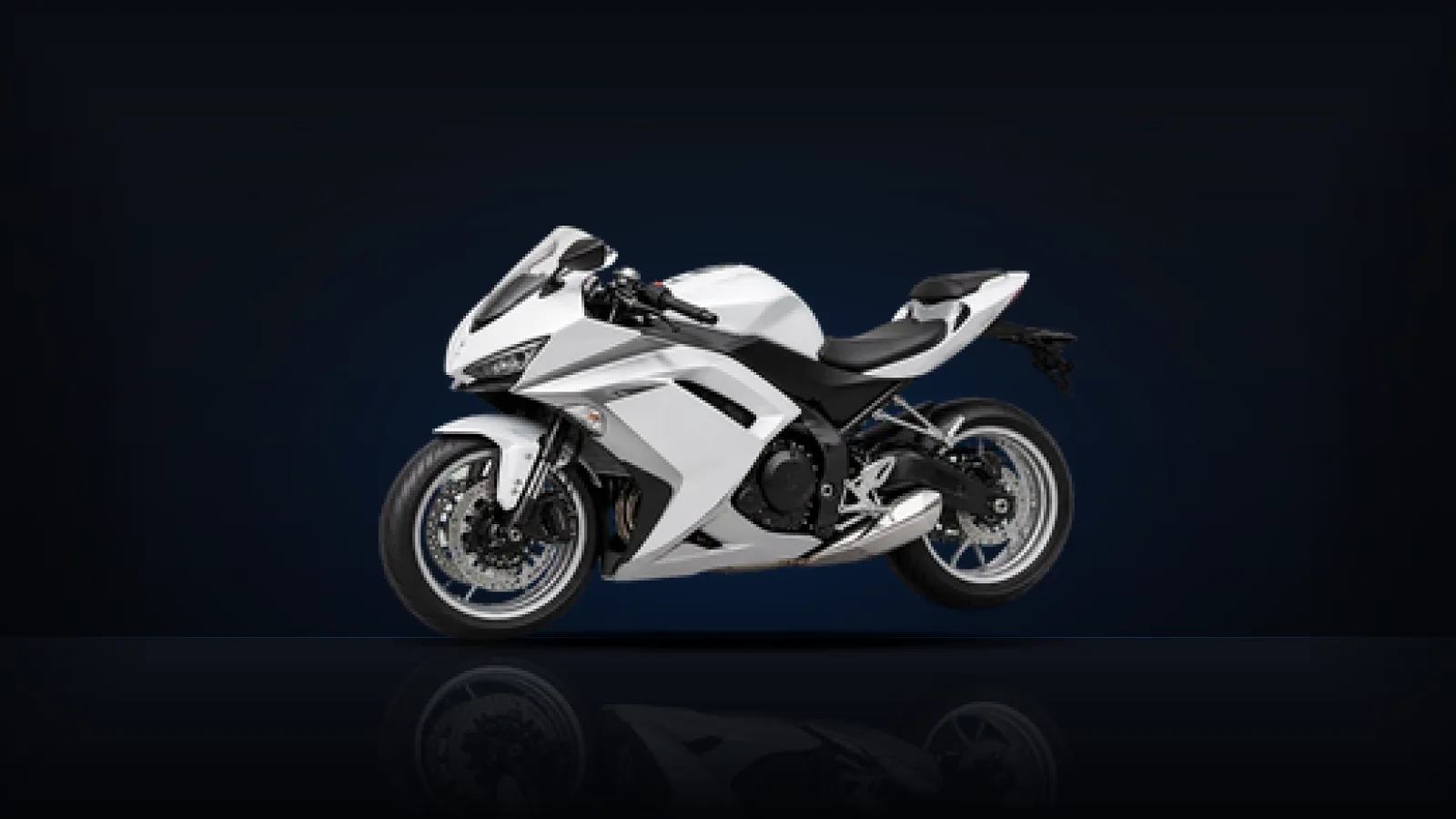
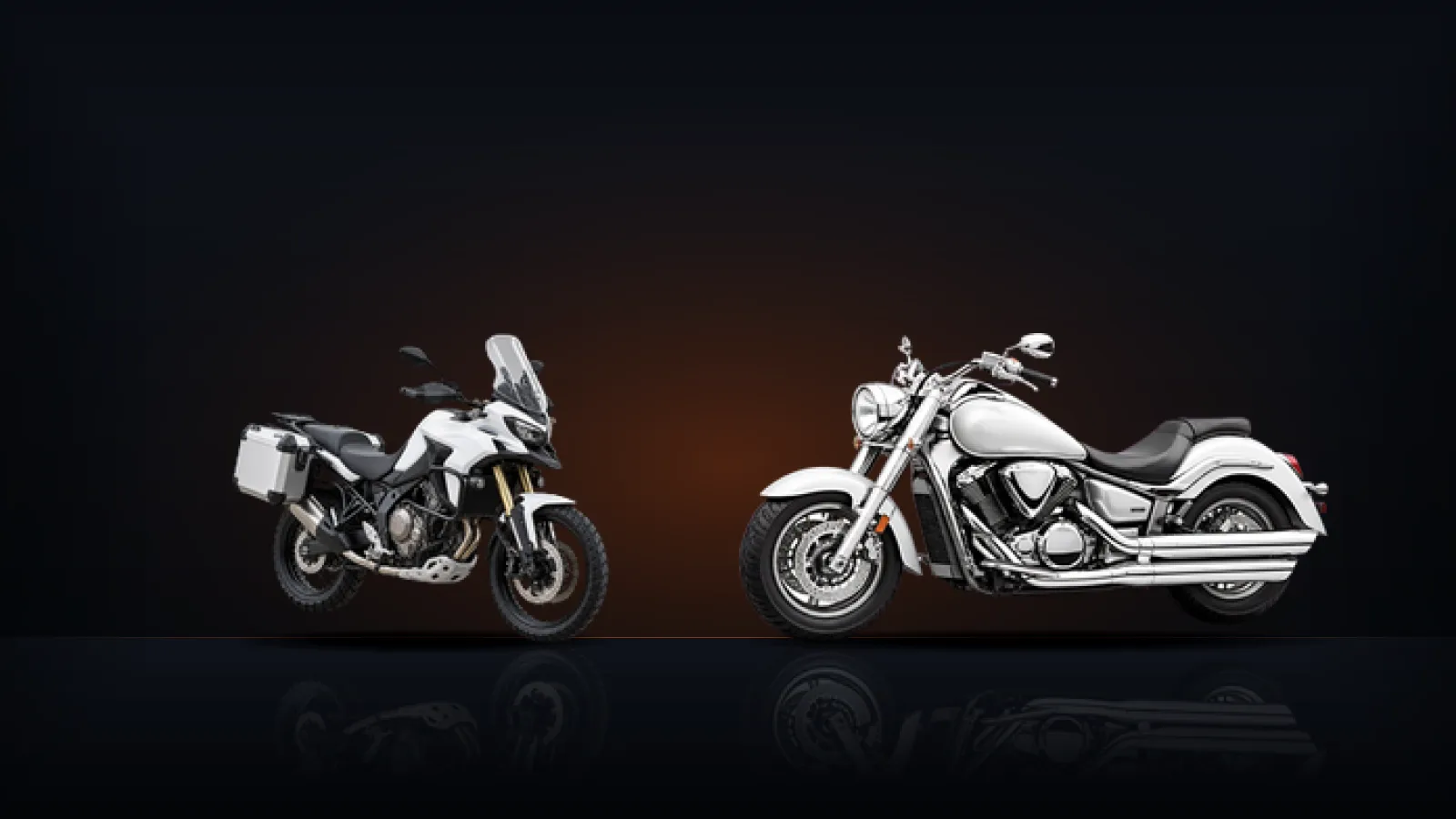
- Riding position mismatch — a sport bike's forward lean or a cruiser's feet-forward posture doesn't suit every body or every commute.
- Heavy backpacks — a loaded bag pulls on the shoulders and back for the whole ride.
- Long rides without breaks.
How to sit on a motorcycle
- Keep a natural curve in your lower back — sit up from the hips rather than slumping.
- Relax your arms with a slight bend at the elbows. Your arms should steer, not hold your body up.
- Support yourself with your core and legs. Grip the tank lightly with your knees, which takes weight off your wrists.
- Keep the balls of your feet on the pegs, ready to stand slightly on rough patches.
- Keep your head up and eyes forward, with your chin slightly tucked rather than jutting forward.
Use your legs over bumps
For a pothole or speed breaker you can't avoid, slow down, then rise slightly off the seat with your weight on the footpegs and your knees and elbows relaxed. Your legs absorb the shock instead of your spine. On a bike with a pillion, warn them first.
Set up the bike to fit you
Levers
Angle the clutch and brake levers so that your wrists are straight when your fingers are on them while seated. Many levers have a span adjuster for smaller hands.
Suspension preload
If your rear shocks have preload adjusters, increase preload when you regularly carry a pillion or luggage, so the bike doesn't sag and bottom out on bumps.
Tyre pressure
Over-inflated tyres make the ride harsh; under-inflated ones make steering heavy. Use the pressures in the manual.
Seat
A worn, flattened seat foam transmits every bump. Having the seat re-foamed is an inexpensive and effective upgrade.
Set your mirrors correctly
Comfort includes not having to twist your neck constantly. Well-adjusted mirrors reduce both strain and risk.
- Sit in your normal riding position, on the bike, upright.
- Adjust each mirror so you see the lane behind you, with only a small edge of your own shoulder or arm visible at the inner edge.
- The horizon should sit roughly across the middle of the mirror.
- Remember every mirror has blind spots — always glance over your shoulder before changing lanes or turning.
Removing mirrors or folding them in to filter through traffic is illegal in many situations and removes your view of what's behind you — keep them on and set up properly.
Habits that help
- Take breaks — on longer rides, stop at least every hour, walk and stretch.
- Carry weight on the bike, not your back — use a tail bag, top box or saddle bags.
- Stretch your hamstrings, hips, lower back and neck regularly.
- Strengthen your core — simple exercises such as planks help support your spine.
- Stay hydrated — dehydration makes muscles fatigue and cramp faster in the heat.
Choosing a comfortable bike
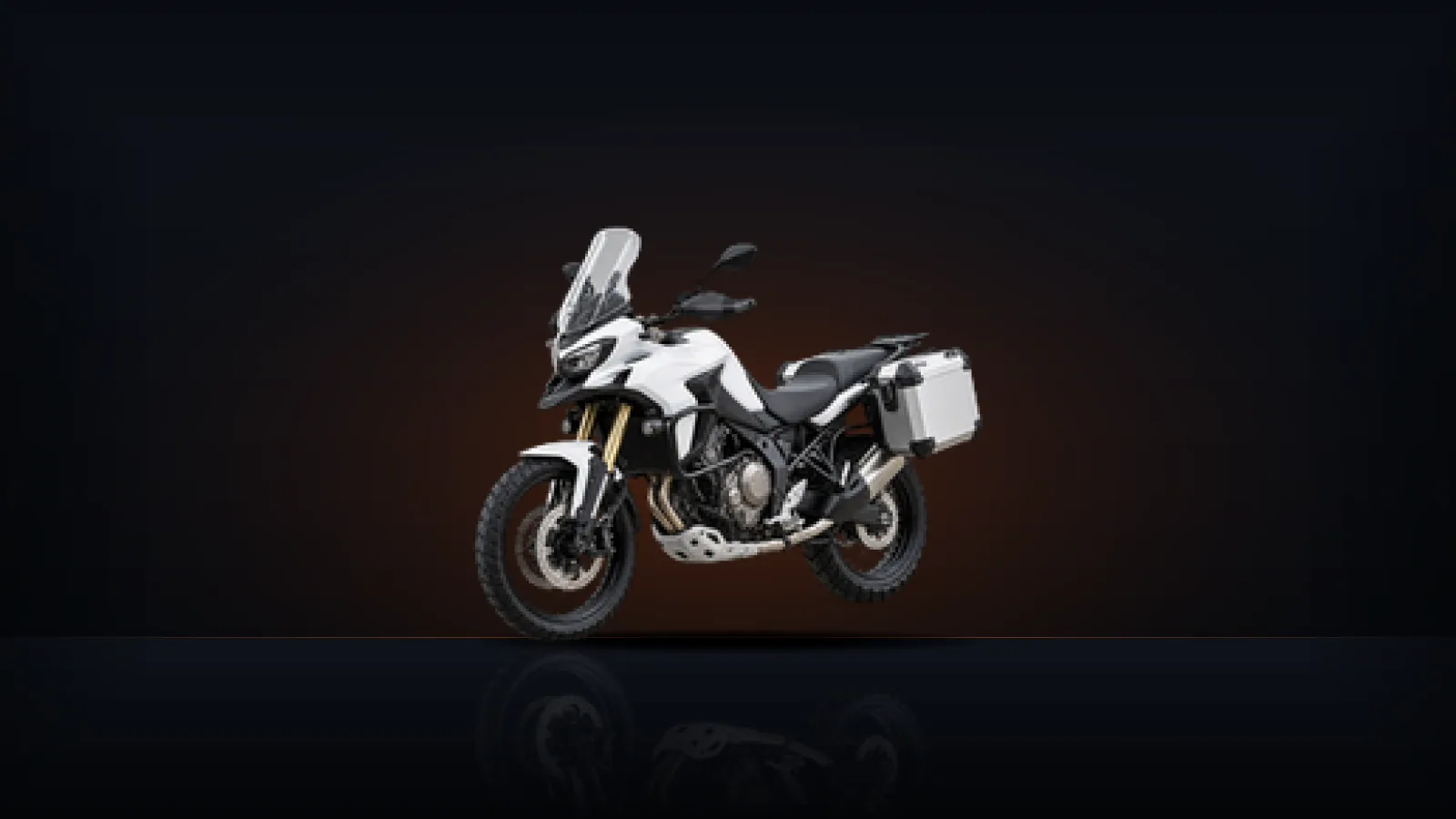
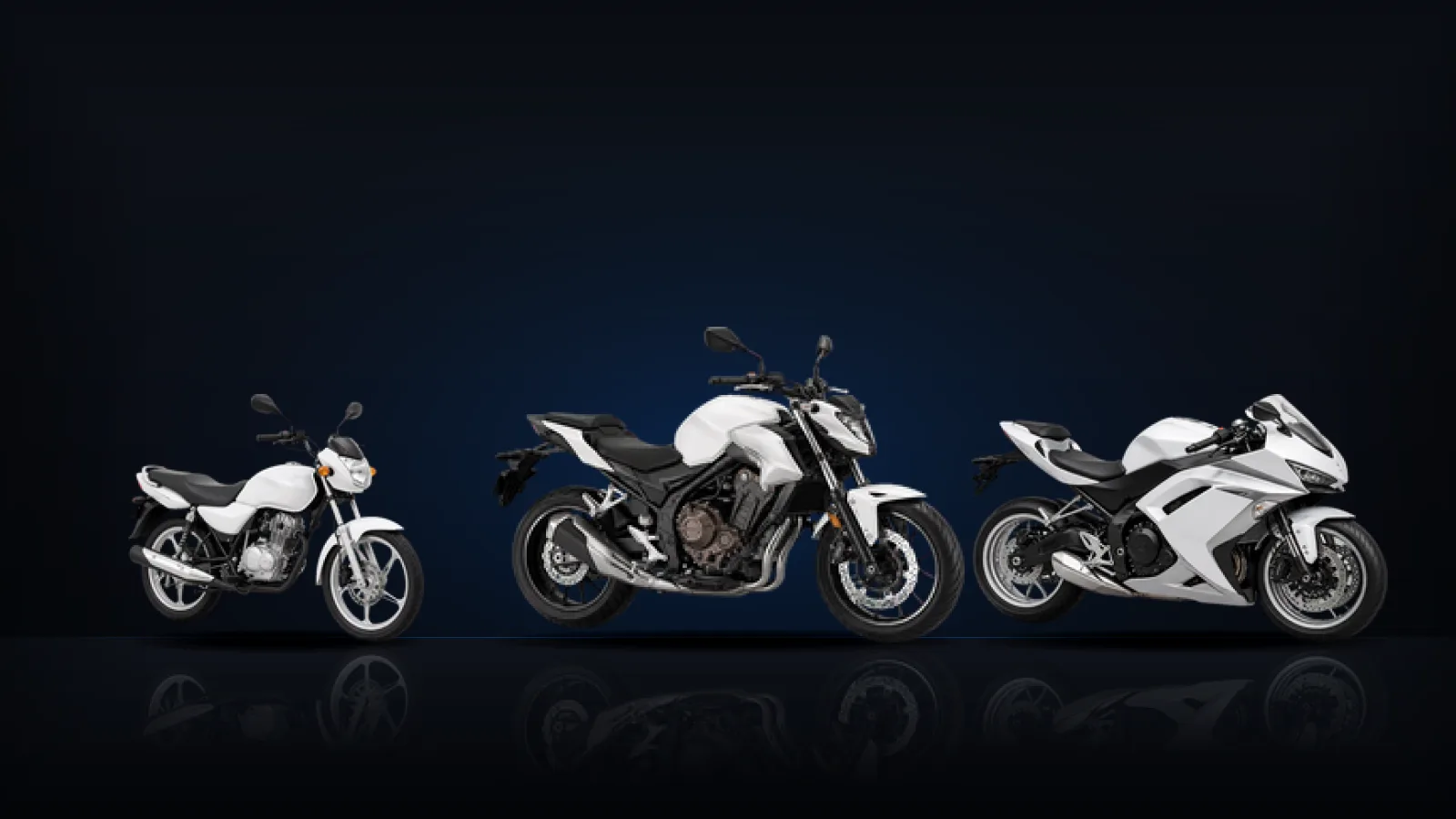
If comfort is your priority, look for an upright riding position, a well-padded seat, good suspension and a handlebar within easy reach. Standard, naked and adventure bikes usually suit long daily commutes better than aggressive sport bikes — see our sportbike vs naked bike comparison.


Comments
Leave a comment