

Planning a Motorcycle Tour in Bangladesh: Route, Budget, Bike and Group
From the tea gardens of Sylhet to the hill roads of the Chattogram Hill Tracts and the long coastal road near Cox's Bazar, Bangladesh has some wonderful motorcycle journeys. A good tour is the result of good planning. Here's how to prepare.
Plan the route realistically
- Plan by time, not distance. Traffic, towns, road works and ferries make average speeds far lower than the map suggests. Build in generous margins.
- Avoid riding at night wherever possible. Unlit vehicles, pedestrians and potholes are much harder to see, and fatigue sets in.
- Know your fuel stops, especially in hill areas and remote regions where stations are far apart.
- Check local conditions. Some areas have entry requirements, permitted routes or restrictions for visitors — check current rules before you set off, and carry your ID.
- Check the weather, and avoid hill roads during heavy rain, when landslides and slippery surfaces are common.
Estimate your budget
A simple way to estimate the cost of a tour:
- Fuel = total distance ÷ your bike's real-world fuel economy × current fuel price. Add around 15–20% for detours and traffic.
- Accommodation = number of nights × cost per night (sharing a room reduces this).
- Food and water per day × days.
- Tolls, ferries and parking.
- Pre-trip servicing and parts.
- Contingency — a puncture, a broken lever, a cable, or an extra night because of weather. Keep a reserve you don't plan to spend.
Is my bike suitable?
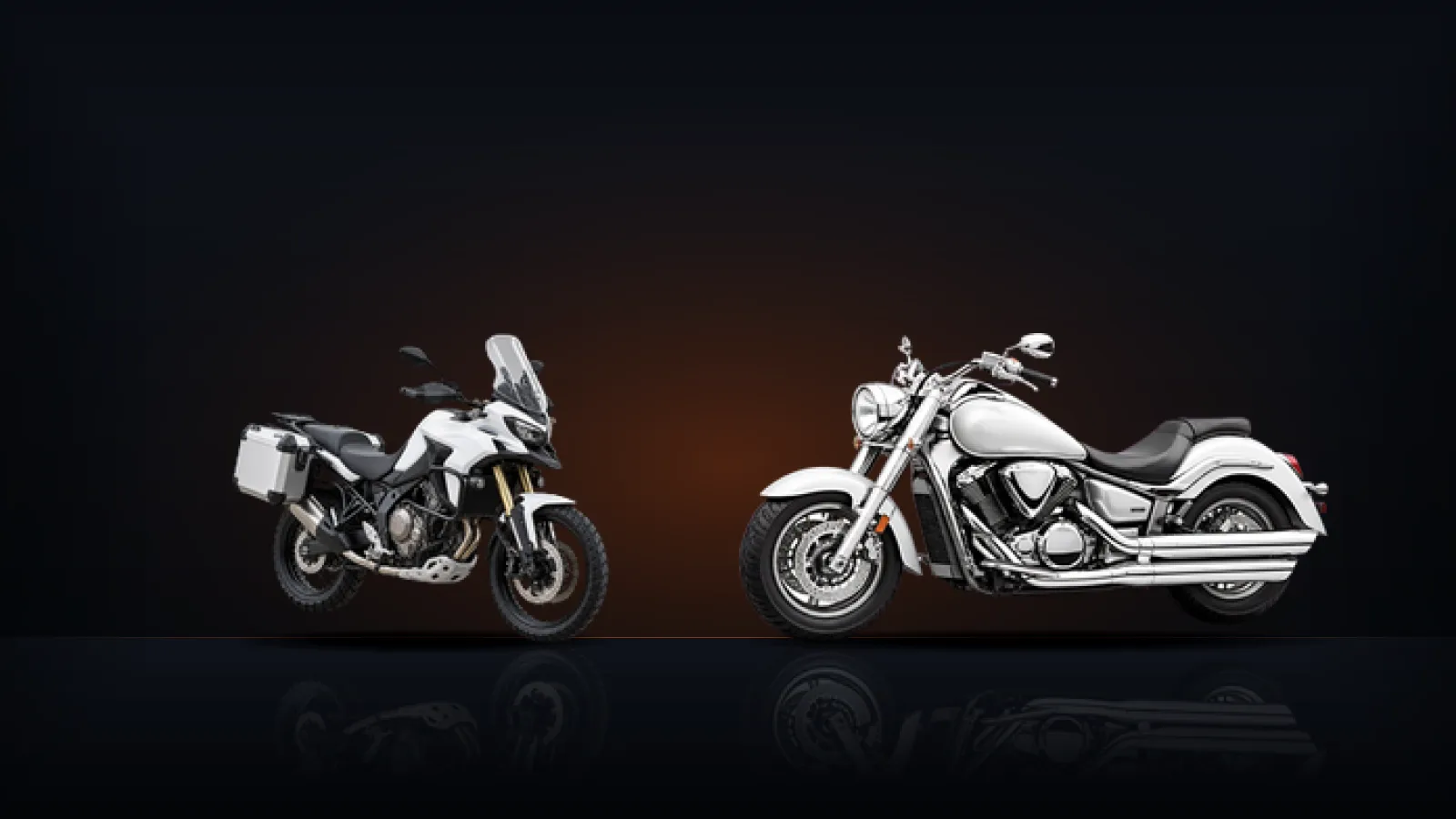
You can tour on almost any well-maintained bike, but the experience varies:
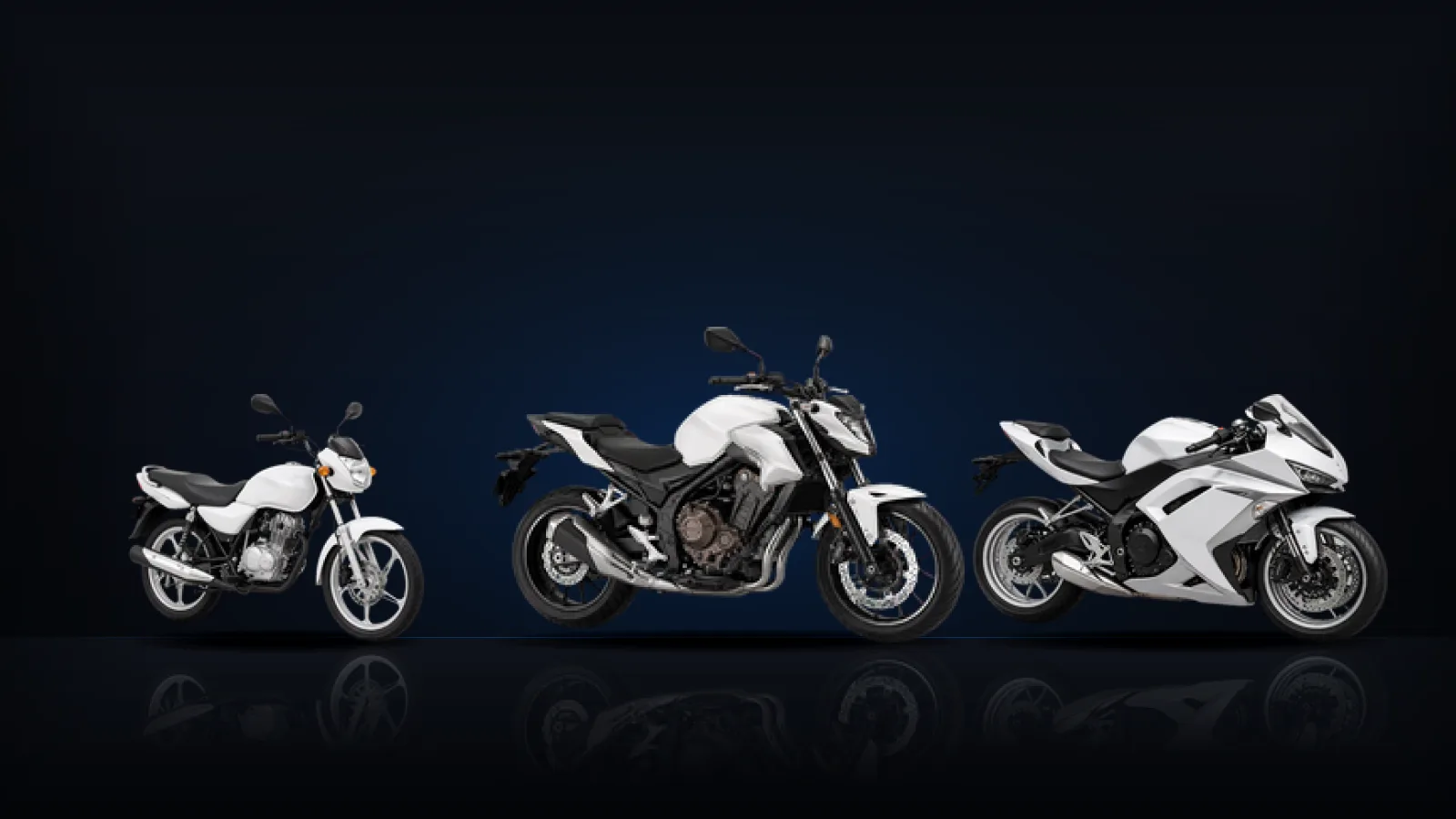
- Small commuters (roughly 100–150cc) can do it, but they are working hard at highway speeds, especially loaded with a pillion and luggage. Overtaking trucks and buses takes longer and needs extra care. Plan shorter days and lower cruising speeds.
- Mid-size bikes carry luggage and a pillion more comfortably and have more power in reserve for safe overtaking.
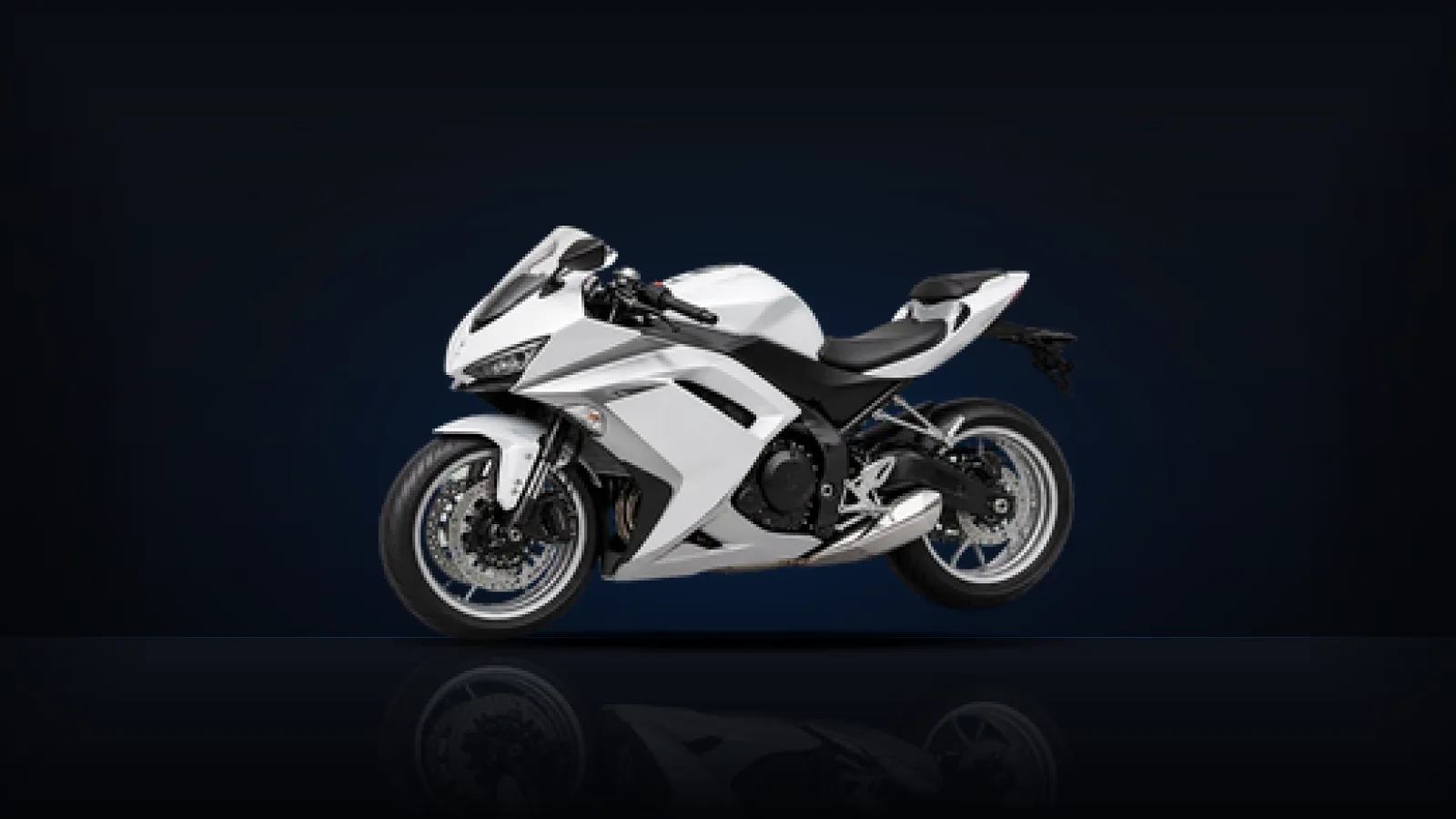
- Sportbikes are fast but tiring on long days because of the riding position — see our sportbike vs naked comparison.
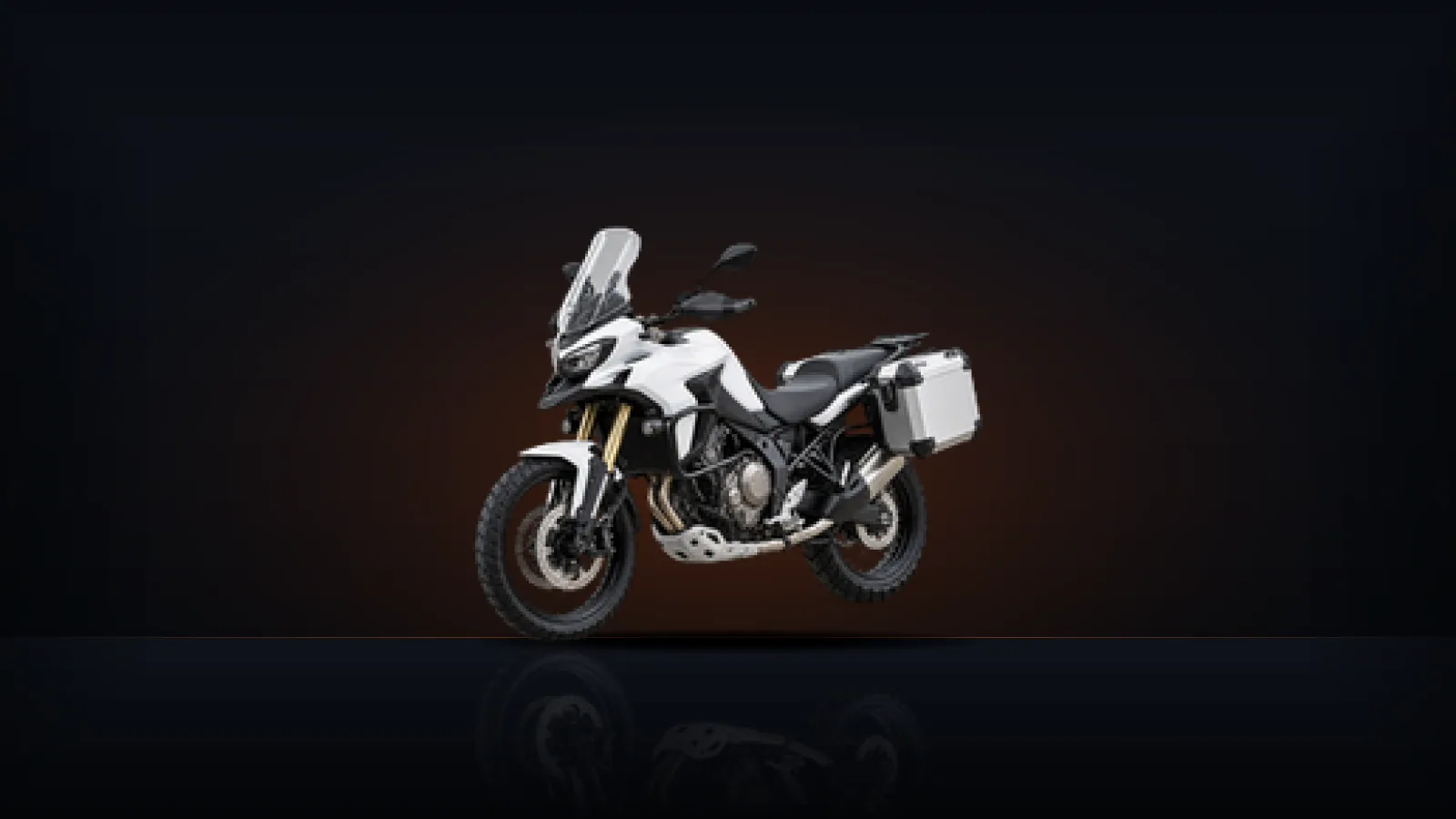
- Adventure and touring bikes are designed for it: comfort, luggage capacity and rough-road capability.
Prepare the bike
- Service it a week before the trip, not the day before — leave time to fix anything found.
- Check tyres (tread, age, pressures), brakes, chain and sprockets, cables and lights.
- Carry a basic kit: tyre repair kit and pump for tubeless tyres, the bike's toolkit, spare bulbs and fuses, cable ties, tape and a spare clutch or brake lever if your trip is remote.
- Carry your registration certificate, tax token, insurance and licence — and photos of all of them.
Group size: small or large?
Small groups (roughly 2–6 bikes)
- Easier to keep together, find fuel and food, and book accommodation.
- Decisions are quick and stops are short.
- Less support if a bike breaks down, so each rider needs to be self-sufficient.
Large groups
- More help available in a breakdown, and a sense of occasion.
- Harder to manage: the group stretches out, riders at the back ride too fast to keep up, stops take longer, and traffic around the group is disrupted.
- Split large groups into smaller units, each with its own lead and sweep rider.
Group riding rules
- Brief everyone before departure: route, stops, hand signals and what to do if separated.
- Appoint an experienced lead rider who sets a pace suitable for the least experienced rider, and a sweep at the back who never passes anyone.
- Ride in a staggered formation on open roads, with space between bikes.
- Never race or overtake within the group; don't ride beyond your comfort to keep up.
- Stop regularly — every hour or so — for water and rest.
- Obey traffic laws, and don't block the road or intimidate other road users.
Packing
- Full riding gear: certified helmet, jacket, gloves, boots and a rain suit.
- Carry luggage on the bike, not on your back, and keep weight low and centred.
- Water, snacks and a basic first-aid kit.
- A phone mount, a power bank and offline maps.
Ride within your limits
Fatigue is the silent risk on tours. Get proper sleep, stay hydrated, and stop when you notice slower reactions or wandering attention. Arriving an hour later is always better than not arriving. For more, read our motorcycle safety guide and comfort guide.


Comments
Leave a comment